Men & Boys: Reflections on Suicide Prevention and Emotional Safety
- Elizabeth Houston
- Oct 12, 2025
- 3 min read

It’s Mental Health Week, and I’ve been thinking about the quiet battles that happen behind closed doors.
Years ago, someone close to me spoke the unspeakable, to say that death would be a relief. Brave enough to tell me they could do it. I sat beside them in that terror, feeling the weight of their pain in my own body. And I fought. Not against them, but alongside them. Through fear, through silence, through the aching helplessness of watching someone you love teeter on the edge.
Now, they are strong and resilient and living a full life. But I still carry the memory of those times. The sacred trust of being told the truth. The quiet miracle of survival.
So, when I heard Matthew Wright cry on the radio, speaking with the founder of Ripple Suicide Prevention, grieving the loss of a friend, I felt it deeply. His tears weren’t dramatic. They were real. And it struck me how rare it is to hear someone cry in public. Not just performative sadness. But raw, human emotion. And it was completely appropriate; he was talking about suicide. Not intentionally perhaps. But, through generations of quiet conditioning, emotional expression can feel almost taboo. Especially for men and boys.
Why is it so hard to cry?
Not just in public. But at all.
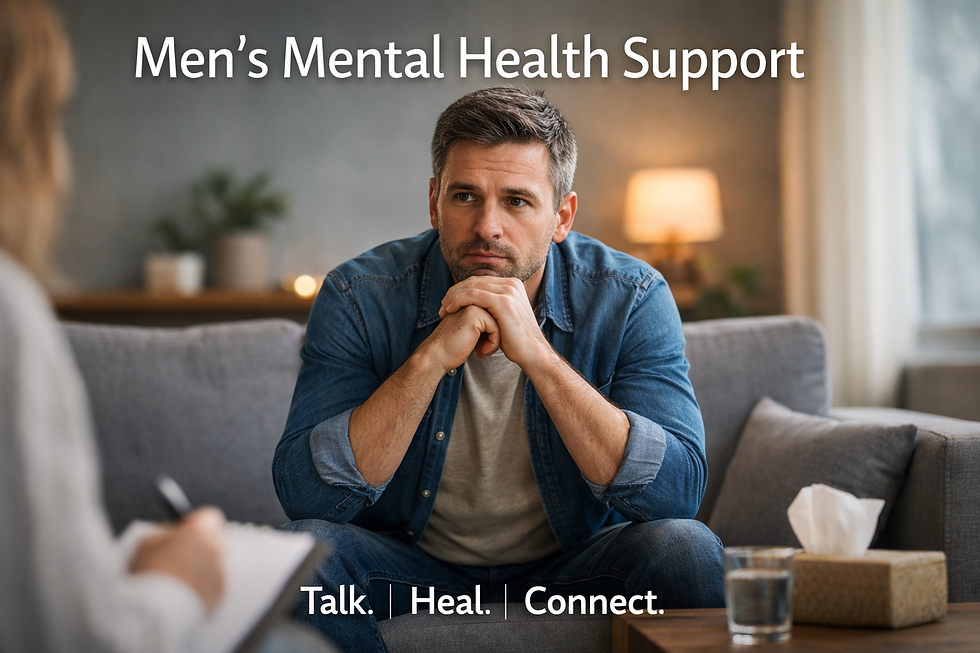
We talk about mental health more than ever, but still, the cultural script remains: be strong, be stoic, be silent. Vulnerability is often mistaken for weakness. Tears are seen as a loss of control. And for men, the pressure is even greater. The emotional vocabulary shrinks. The safe spaces narrow. The cost of silence grows.
Suicide prevention isn’t just about crisis intervention. It’s about creating a culture where people feel safe to feel. To speak. To cry. To say, “I’m not okay,” without fear of judgment or shame.
Ripple is doing vital work, offering tools, resources, and hope to those in distress. But we also need ripples of cultural change. We need to normalise emotion, especially in public spaces. We need to teach our boys and men that tears are not betrayal or weakness. That asking for help is not failure.
So, when Matthew Wright cried on the radio, it wasn’t just a moment of sadness. It was a moment of courage. Of connection. Of quiet revolution.
Let’s honour that. Let’s make space for more tears and more truth.
Gentle Support and Resources
If you or someone you love is struggling, here are some places to start:
Ripple Suicide Prevention – Free browser tool offering real-time support
Samaritans – 24/7 helpline: 116 123 (UK)
Papyrus HOPELINE247 – Support for young people: 0800 068 4141
CALM – Campaign Against Living Miserably, focused on male mental health
Shout – Free, confidential text support: Text SHOUT to 85258
You don’t have to be in crisis to reach out. You just have to be human.
🕊 A Quiet Invitation
If you’ve ever sat beside someone in their darkest hour, you’ll know the ache of helplessness. The sacred weight of being trusted with the truth. The quiet miracle of survival.
This week, I’m thinking of all the moments that go unseen. The brave confessions. The silent tears. The battles fought in bedrooms and kitchens and car rides. The people who stay. The ones who speak. The ones who cry.
Let’s make it easier to feel. To speak. To stay.
💧Ripple Suicide Prevention: Creating Safer Pathways for Those in Distress
Ripple Suicide Prevention is a free browser tool that intervenes when someone searches for harmful content online. It offers hope, support, and signposts to life-saving resources. Created by Alice Hendy after losing her brother to suicide, Ripple is more than software, it’s a lifeline. A digital ripple of compassion.


Comments